If you’ve been reaching for that pack of “flushable” wipes and sending them down the drain, your pipes are quietly paying the price, and at some point, they’ll send you the bill. If you’ve been noticing slow drains, frequent clogs, or gurgling sounds from your toilet, your habit might be the culprit. We want to give you the full picture before a small issue turns into a big headache, and if you’re already dealing with a backup, we’re the plumber in Rock Hill, SC you can call right now.
“Flushable” Is a Marketing Word, Not a Plumbing Term
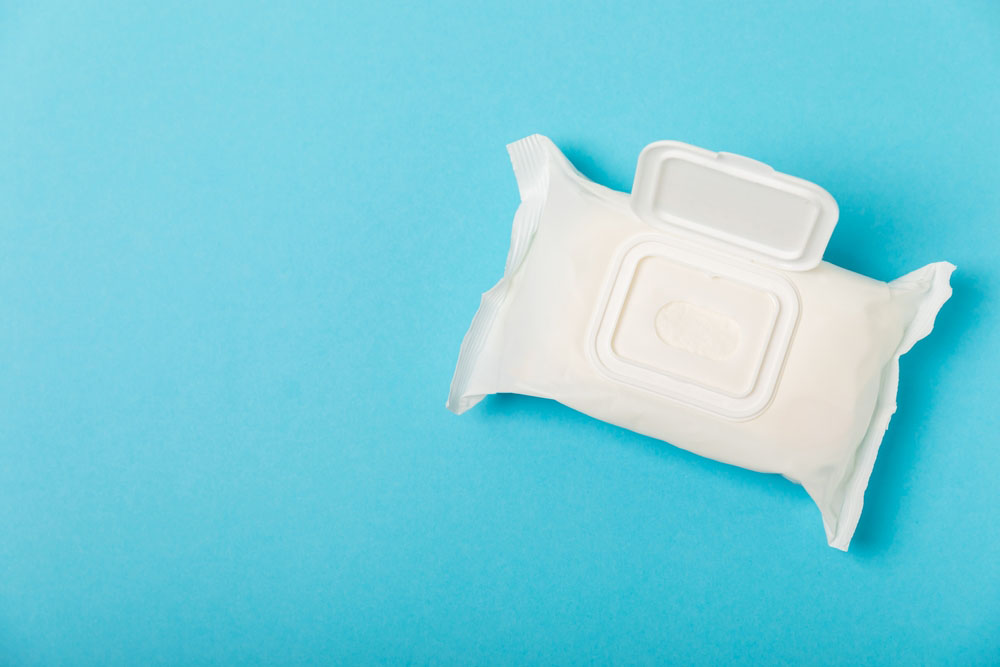
The term “flushable” has no regulated standard in the United States. According to Consumer Reports and independent testing by wastewater organizations, most wet wipes labeled as flushable do not break down and can hold their shape for hours, sometimes days. They’re designed to be durable and moist, which makes them great for cleaning and terrible for your pipes.
What Flushable Wipes Do Inside Your Pipes
Once a wipe gets past your toilet, it doesn’t just disappear. It travels through your home’s drain lines and, because it stays intact, it catches onto grease buildup, hair, and other debris along the way. Over time, this creates a dense, tangled mass that blocks flow and strains your entire drain system.
Your Sewer Line Is Vulnerable Too
The problem doesn’t end at your toilet. Wipes that survive the trip through your home pipes can move on to clog your main sewer line. When a sewer line backs up, emergency plumbing response isn’t optional. It needs to happen fast.
The Long Game: What Neglect Does to a Plumbing System
Pipes that are repeatedly stressed by non-dispersible materials weaken over time. Joints loosen. Older pipes crack under pressure. Grease and wipe buildup creates the kind of slow, invisible damage that goes unnoticed until something gives. Our plumbing services include preventive maintenance specifically designed to catch these issues before they escalate into full-blown emergencies.
So What Should You Do Instead?
If wet wipes are part of your daily routine, you don’t have to give them up, just change where they end up. Keep a small trash bin with a lid next to your toilet.
Things Worth Knowing Before Your Next Flush
How do I know if wet wipes have already caused damage in my pipes?
Watch for slow-draining toilets, gurgling sounds after flushing, recurring clogs, or sewage odor coming from drains. If any of these are happening consistently, it’s time for a professional camera inspection.
Can I use a plunger to break up a wipe clog?
Sometimes, but not reliably. Wipes compact rather than break apart under pressure, so plunging might restore flow temporarily while the real blockage stays put further down the line.
How often should I have my drains professionally cleaned?
Once a year works for most households. If you have older pipes, a large family, or have been flushing wipes for years, more frequent cleaning is a smart call.
Are “biodegradable” or “septic-safe” wipes any safer to flush?
No. Both labels are unregulated, and independent testing consistently shows these wipes still fail to break down at rates anywhere close to toilet paper. When in doubt, throw it out.
We’re Here When You Need Us
Whether you’ve got a clog that won’t quit or just want to know where things stand with your drains, our team is here to help, day or night. We offer free estimates so you know exactly what you’re working with before any work begins, and our pricing is straightforward with no surprises. First-time customers receive 10% off, and we proudly extend special savings to military members, seniors, and first responders.
Let our plumbing company tackle the tough clogs. Call today and schedule your appointment.