When Summer Storms Threaten Your Home’s Foundation
Your sump pump is easy to ignore when the weather is clear, but the moment heavy rain starts falling, it becomes the most critical appliance in your home. If you have noticed dampness creeping into your lower levels, you might already know that a reliable system is the only thing standing between your property and severe water damage. Summer brings severe thunderstorms that can drop inches of rain in a matter of hours, quickly changing the environment around your home’s footprint.
When these July peak summer thunderstorms roll through the Southeast, the ground simply cannot absorb the sudden deluge. This rapid groundwater saturation puts immense hydrostatic pressure on the soil surrounding your foundation. Water naturally seeks the path of least resistance, which means it will push against your concrete walls and floors, looking for microscopic cracks to enter. Without proper drainage, this water infiltrates the home, causing structural degradation, mold growth, and severe property damage.
Particularly in York SC residential crawlspaces and basements, the combination of high humidity and sudden localized flooding creates a perfect storm for moisture problems. A properly functioning sump pump acts as a proactive shield against this sudden flash flooding. Instead of waiting for water to breach your living space, the system intercepts the groundwater, collects it safely, and actively pumps it away from the danger zone. Understanding how this defense mechanism works is the first step in ensuring your home remains dry, safe, and structurally sound no matter what the summer weather brings.
The Mechanics of a Sump Pump: Your First Line of Defense
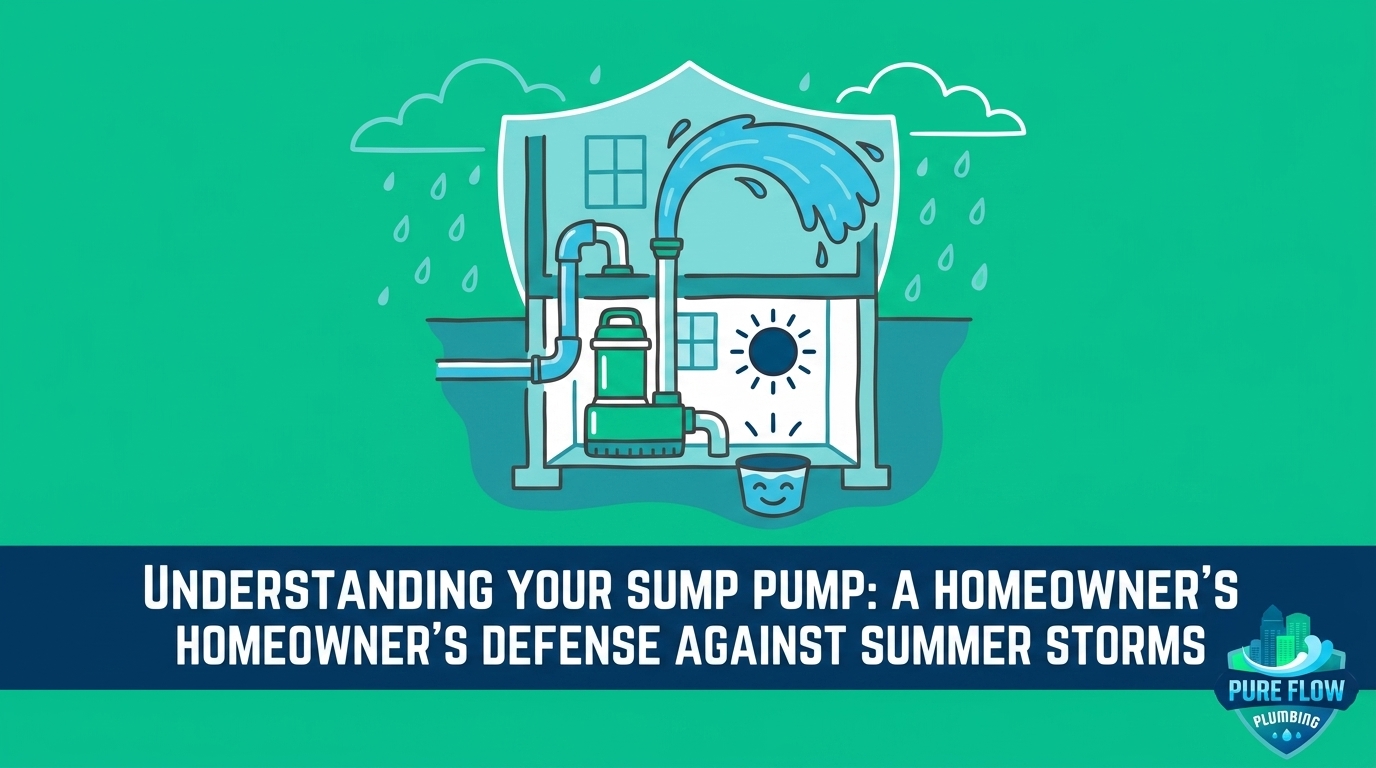
To truly appreciate how your home stays dry, it helps to understand the step-by-step process happening beneath your feet. A sump pump is not a complex machine, but it relies on precise timing and reliable components to manage thousands of gallons of water during a severe weather event. Here is how the system actively defends your property:
- Collection: Water collects in a specially constructed sump pit located at the lowest point of the home.
- Detection: A float switch automatically activates the pump when water reaches a critical, predetermined level.
- Extraction: A standard 1/3 HP motor powers on, using an impeller to move between 1,800 and 2,600 gallons of water per hour.
- Evacuation: The discharge line routes the water safely away from the home’s foundation to a designated drainage area.
The Role of the Sump Pit
The sump pit is the literal foundation of the system. Usually measuring about two feet deep and eighteen inches across, it acts as a funnel for groundwater. As hydrostatic pressure builds in the soil, water is directed through drain tiles or natural soil grading into this basin. The pit is specifically designed to fill before water ever has the chance to reach the basement floor or crawlspace surface, acting as an intentional low point that controls where the water gathers.
Discharge Lines and Check Valves
Once the water is pulled into the pump, it must be moved out efficiently. This is where the discharge pipe and check valve become essential. The check valve is a one-way mechanical flap installed on the discharge pipe. It prevents pumped water from flowing backward into the pit once the motor shuts off. Without a check valve, the pump would end up pumping the same water over and over, leading to rapid motor burnout. Furthermore, discharge lines must be routed far enough away from the house—usually at least 10 to 20 feet—to prevent the evacuated water from simply seeping right back into the soil around the foundation.

Submersible vs. Pedestal Pumps: Understanding the Differences
If you look into your sump pit, you will see one of two primary designs: a submersible pump or a pedestal pump. Both serve the exact same purpose, but they operate differently and are suited for different spatial requirements within York SC residential crawlspaces and basements.
| Feature | Submersible Sump Pump | Pedestal Sump Pump |
|---|---|---|
| Motor Location | Rests directly underwater inside the pit. | Sits above the pit, completely out of the water. |
| Cooling Mechanism | Uses the surrounding groundwater to prevent overheating. | Relies on ambient air to cool the motor. |
| Noise Level | Very quiet; the water muffles the sound of the motor. | Noticeably louder since the motor is exposed to the air. |
| Volume Capacity | Handles larger volumes of water and heavy sediment. | Better suited for moderate water volumes. |
| Lifespan | Typically lasts 7 to 10 years depending on cycle frequency. | Can last slightly longer since the motor is not submerged. |
Submersible pumps rest directly in the water inside the pit. Because the motor is submerged, it uses the surrounding water as a natural cooling jacket, which prevents overheating during long, continuous run cycles. Submersibles generally handle larger volumes of water and are heavily preferred for finished basements because the water muffles the operational noise. They are powerful, efficient, and out of sight.
Pedestal pumps, on the other hand, keep the motor mounted on a shaft above the pit. This makes them much easier to access for repairs, but they are often louder when running. Pedestal pumps are typically chosen when the sump pit is unusually narrow or shallow, making a submersible unit impossible to fit. Regardless of which type you have, both types typically last 7 to 10 years depending on cycle frequency, maintenance, and the total volume of water they are forced to process each season.
Why Battery Backup Systems Are Non-Negotiable in Summer
The greatest weakness of any primary sump pump is its power source. These systems run on your home’s standard 120-volt electrical grid. Unfortunately, heavy summer rains are frequently accompanied by severe lightning, which often knocks out the local power grid right when you need your pump the most. In a region where afternoon thunderstorms routinely cause temporary grid outages, relying solely on utility power is a massive risk.
The problem: A primary sump pump is completely useless without electricity. If the power goes out during a torrential downpour, the sump pit will continue to fill with groundwater. Within minutes to hours, that water will overflow the pit and begin flooding your lower levels, leaving your home vulnerable at the exact moment the pump is needed most.
The cause: The local power infrastructure is highly susceptible to lightning strikes, high winds, and fallen tree limbs during July peak summer thunderstorms. Because the heaviest rainfall usually coincides with these high winds and lightning, power loss and flooding threats arrive at the exact same time.
The solution: Battery backup systems automatically take over the moment main power fails. A backup system is not just a battery; it typically includes a dedicated secondary pump, a heavy-duty deep-cycle marine battery, and an automatic charging unit. When the power drops, the system recognizes the loss of voltage and instantly switches to battery power. These backups can keep the pump operational for hours or even days, depending on how often the float switch cycles, ensuring your property remains dry until the utility company restores the grid.
Warning Signs of a Failing Sump Pump
Because your sump pump sits quietly in a dark corner of your home, it is easy to miss the early warning signs of mechanical failure. Catching these symptoms before a major storm hits can mean the difference between a dry floor and a devastating flood. If you notice any of these red flags, it is time to have the system evaluated before it turns into a true plumbing emergency.
Unusual noises indicating motor wear: A healthy pump should emit a smooth, low hum. If you hear loud grinding sounds, the impeller is likely jammed with debris or failing internally. A rattling noise often points to a loose bracket or a disconnected discharge pipe vibrating against the wall.
Continuous running without emptying the pit: If the motor runs non-stop but the water level does not drop, you have a serious problem. This usually suggests a stuck float switch, a broken check valve allowing water to fall right back into the pit, or a pump with inadequate horsepower that is completely overwhelmed by the volume of incoming groundwater.
Visible rust or significant age: Take a look at the housing and the pipes. Visible rust, severe corrosion, or brittle wiring are clear indicators of a system at the end of its life. If your unit is approaching the 7-to-10-year mark, its internal seals are likely deteriorating, making a sudden failure highly probable.
Failure to activate during a manual test: The most obvious sign of failure is a lack of response. If you pour water into the pit to manually raise the float switch and the motor does not engage, the switch is dead, the power supply is compromised, or the motor has burned out completely.
The Dangers of DIY: Why Professional Installation Matters
With the rise of online tutorials, many homeowners are tempted to handle plumbing replacements themselves. However, sump pumps involve a highly dangerous mix of standing water and high-voltage electricity. A single mistake during installation can result in severe electrical shocks, short circuits, or a catastrophic failure during the next major rainstorm.
Incorrect sizing is one of the most common DIY mistakes. If you install a pump with too little horsepower, it will suffer from inadequate flow rates. This leads to pump failure during maximum storm surges because the motor simply cannot push the water out fast enough. Conversely, an oversized pump will short-cycle—turning on and off rapidly—which burns out the motor prematurely.
Improperly pitched discharge lines are another frequent DIY error. The pipe carrying water outside must be angled correctly to allow gravity to pull the water away. If the pipe is level or dips downward before exiting, water will pool inside the line. This can cause backflow in the summer or severe freezing and pipe bursts during the colder months.
Licensed professionals ensure the system meets all local building codes and manufacturer specifications. They know exactly how to calculate the required gallons per minute (GPM) based on your home’s footprint and the local water table. Working with a reliable, on-time professional service ensures the system is sized perfectly, wired safely on a dedicated circuit, and completely ready before the next sudden downpour hits.
Proactive Maintenance to Prevent Localized Flooding
While installation and major repairs require a licensed professional, there are several safe, proactive maintenance steps you can perform to keep your system in top shape. Performing these basic visual checks can drastically reduce the risk of a surprise failure.
- Clear debris from the sump pit: Over time, gravel, dirt, and sediment wash into the basin. Carefully remove any visible debris to prevent clogs in the intake screen, which can choke the motor and cause it to overheat.
- Test the float switch quarterly: You can safely test the system by slowly pouring a five-gallon bucket of water into the pit. Watch the float switch rise. The pump should turn on automatically, drain the water quickly, and shut off smoothly without any severe shaking.
- Inspect the outdoor discharge pipe: Walk outside and locate where the water exits your home. Ensure the pipe is completely free of blockages, yard debris, animal nests, or heavy mulch. The water must have a clear, unobstructed path to drain away from the foundation.
- Schedule annual professional inspections: Have a licensed plumber evaluate the system once a year. They will check the motor’s electrical draw, inspect the check valve for internal wear, and test the battery backup charge to ensure it can hold a full load during a power outage.
Frequently Asked Questions About Sump Pumps
How does a sump pump work?
A sump pump works by collecting excess groundwater in a basin and mechanically pumping it away from your home. When the water level in the pit rises, it lifts a float switch that activates a motorized impeller. This impeller forces the water up through a discharge pipe and safely out into your yard or a designated municipal drain.
Do I need a battery backup for my sump pump?
Yes, a battery backup is highly recommended because severe storms often cause power outages. Without electricity, your primary pump will not operate, leaving your home vulnerable to flooding during heavy rain. A backup system automatically takes over when the power drops, ensuring continuous protection.
How do I know if I need a sump pump?
You likely need a sump pump if your basement or crawlspace frequently smells musty, shows signs of efflorescence (white powdery stains on concrete), or experiences standing water after heavy rains. Homes built in low-lying areas, regions with high water tables, or places that experience rapid, heavy rainfall benefit the most from these systems.
Do sump pumps run without electricity?
Standard primary sump pumps cannot run without electricity; they require a 120-volt power source. However, you can install a battery backup system that uses a 12-volt deep-cycle marine battery to power a secondary pump, or a water-powered backup pump that uses your home’s municipal water pressure to create suction.
How long does a sump pump last?
A typical sump pump lasts between 7 and 10 years. The exact lifespan depends on how frequently the system cycles, the volume of water it processes, and how well it is maintained. Regular cleaning and annual professional inspections can help maximize the lifespan of the motor.
What is the downside of a sump pump?
The primary downside of a standard sump pump is its reliance on utility power, making it vulnerable during grid outages unless a backup is installed. Additionally, they require regular maintenance to prevent the intake screens from clogging, and pedestal models can be somewhat noisy when operating in a quiet home.
Can a sump pump handle a sudden flash flood?
A properly sized sump pump can handle heavy, sudden influxes of groundwater caused by flash floods, provided the motor has adequate horsepower (typically 1/3 to 1/2 HP). However, if surface floodwaters breach the home’s doors or windows, a residential sump pump is not designed to pump out an entirely flooded living space.
Protect Your Home Before the Next Downpour
A reliable sump pump is essential for protecting your property’s foundation, structural integrity, and interior spaces from devastating water damage. When the heavy rains arrive, this single appliance carries the heavy burden of keeping your lower levels completely dry and secure.
Don’t wait for a flooded basement or a saturated crawlspace to discover your pump has failed. Taking action now gives you the advantage over unpredictable weather patterns. Consult with a local plumbing expert to evaluate your current system’s health, verify its capacity, or discuss integrating a robust battery backup option. Ensuring your equipment is properly sized and professionally maintained will give you the confidence you need when the next major storm rolls in.