A sewer odor inside your house usually means sewer gas is escaping past a trap, seal, vent, or damaged section of the drainage system. The smell is the warning sign. The real problem is finding where that gas is entering the home.
For homeowners searching for a plumber in Clover, SC, it helps to know what you are actually dealing with. A bathroom that smells like sewage is not necessarily a dirty bathroom or even a dirty drain. The cause could be a dry P-trap, failed toilet seal, blocked vent, loose cleanout, damaged drainpipe, or, in some homes, a problem with the septic system.
We look at the location, timing, and behavior of the odor before deciding where to start. That approach helps separate a simple trap problem from a larger drainage or sewer issue.
A Dry P-Trap Can Let Sewer Gas Inside
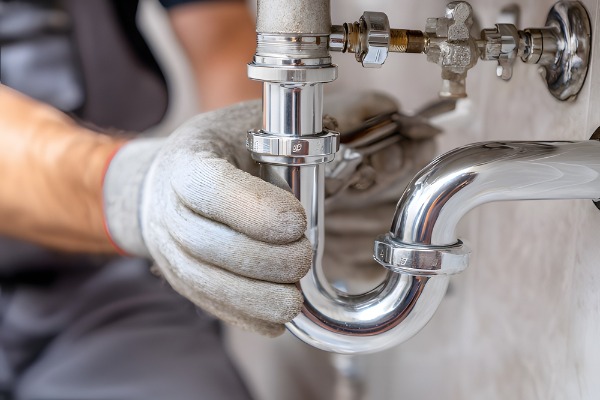
The curved pipe beneath a sink is called a P-trap. It holds a small amount of water that acts as a barrier between the room and the drainage system.
When that water evaporates, sewer gas can travel through the drain opening.
This happens most often with fixtures that do not get used regularly. A guest bathroom, basement floor drain, utility sink, or other rarely used fixture can lose its trap seal after sitting unused.
Warm weather can increase evaporation, too. Clover’s hot, humid summers can make an infrequently used trap more susceptible to drying out, particularly in areas of the house that receive warm air.
The EPA identifies dry drain traps as a potential source of sewer-gas odors and recommends checking traps when investigating unexplained sewer smells.
If adding water to an unused trap makes the smell disappear, that gives us useful information. If the odor returns quickly, we look for the reason the trap is losing its seal.
A Toilet Can Release Sewer Gas Without Leaking Water
A toilet does not have to leave a puddle on the floor to create a sewer odor.
The toilet connects to the drainage system through a sealed connection. If that seal deteriorates, shifts, or was installed incorrectly, sewer gas can escape around the base of the fixture.
Pay attention to the area around the toilet. A sewage smell that is strongest near its base, slight movement when the toilet is used, damp flooring, or staining around the fixture warrants a closer look.
The problem may require plumbing repair, even if the toilet still flushes normally.
A functioning flush does not tell us whether the connection underneath the fixture is still properly sealed.
Blocked Plumbing Vents Can Affect the Entire Drainage System
Plumbing vents allow air into the drainage system and help maintain proper pressure as wastewater moves through the pipes. They typically extend through the roof.
When a vent becomes blocked or damaged, drainage and pressure conditions can change. Sewer odors may then become noticeable inside the house.
Roof vents can collect leaves and other debris. Wildlife can also interfere with exposed openings. Homes surrounded by mature trees, such as many properties in and around Clover, may have more debris reaching roof-level plumbing components.
The smell may become more noticeable after heavy weather or during periods when the drainage system is being used heavily.
We do not recommend getting on the roof to investigate a suspected vent blockage yourself. A plumber can evaluate the vent and drainage system from appropriate access points.
A Loose Cleanout Cap Can Be an Odor Source
A plumbing cleanout provides access to a drain or sewer line for inspection and service. It also needs to remain sealed.
If a cleanout cap is missing, loose, cracked, or damaged, sewer gas can escape through the opening.
Cleanouts are not always located in places homeowners regularly inspect. Depending on the home’s layout, one may be inside a utility area, outside near the foundation, or along the main drainage route.
If a sewer smell begins after yard work, plumbing work, heavy rain, or other activity around the property, the cleanout is worth checking.
A damaged cap may be a small repair. The odor can still be strong enough to make an entire room unpleasant.
Damaged Drainpipes Can Put Sewer Gas in Unexpected Places
Sometimes the source is nowhere near the room where you smell it.
Drainpipes can crack, separate at joints, or develop other failures. Sewer gas can then escape into a crawl space, wall cavity, cabinet area, or another concealed part of the structure before reaching the living space.
That makes these problems difficult to locate by smell alone.
The EPA recommends checking drain lines for breaks or leaks when a building has a sewer-gas odor.
Our job as a plumbing company is to trace the plumbing system instead of assuming the closest fixture is responsible. Depending on the symptoms, we may examine accessible piping, traps, toilet connections, cleanouts, and venting before determining whether further inspection is needed.
Septic Systems Can Create Sewer Odors, Too
Not every Clover home sends wastewater into a municipal sewer system. Some properties use private septic systems, particularly in less densely developed areas.
That changes the list of possible causes.
A septic problem can produce sewage odors around the tank or drainfield. EPA guidance also lists backups, slow drains, gurgling plumbing, standing water, and unusually wet areas around the drainfield among potential signs of septic-system trouble.
An odor inside the house does not automatically mean the septic system has failed. A roof vent, blocked vent, dry trap, plumbing connection, or indoor drain problem can produce a similar smell.
If your home uses septic, let us know when you call. The wastewater system is part of the diagnostic picture.
The Timing of the Smell Can Point to the Source
A sewer odor that comes and goes still deserves attention.
When does it appear?
If the smell starts after a toilet is flushed, we look more closely at the fixture, its seal, the connected drainage piping, and the vent system.
If several fixtures are used before the odor appears, the main drainage and venting system may need more attention.
If the smell returns after a bathroom or floor drain sits unused, a dry trap becomes more likely.
If the odor is strongest outdoors near the septic tank, drainfield, or sewer connection, the source may be outside the living space.
Weather can affect what you notice, too. Wind direction and changes in air movement can alter how odors from plumbing vents or septic components move around a property. EPA notes that wind patterns and vent conditions can contribute to where septic odors are detected.
When a Sewer Odor Becomes an Urgent Plumbing Problem
A persistent smell should not be ignored, particularly when other plumbing symptoms appear at the same time.
Call for emergency plumbing service if sewage is backing up into the house, wastewater is appearing around fixtures, a major drainage problem develops suddenly, or you suspect a serious pipe failure.
Strong sewer-gas odors also deserve caution. Sewer gas can contain hydrogen sulfide and other gases. At elevated concentrations, hydrogen sulfide can cause health effects, including irritation and breathing problems.
If the odor is overwhelming, leave the area and get fresh air. Do not use a flame to try to locate the source.
Why Air Fresheners and Drain Cleaners Do Not Solve Sewer Gas Problems
A room can smell better without the plumbing problem being fixed.
Air fresheners only cover the odor. Drain cleaners may remove material inside a drain, but they do not repair a failed toilet seal, replace a missing cleanout cap, restore a dry trap, or correct a blocked vent.
That is why repeatedly treating the smell can waste time.
Sewer gas is an air-intrusion problem when it enters through a failed plumbing barrier. The solution is to find that opening and correct the condition behind it.
What We Check When a Home Smells Like Sewer Gas
We start with the location of the odor and how it behaves.
We ask when the smell began, which rooms are affected, whether it changes after fixtures are used, and whether the property has public sewer or septic service. We also look for recent plumbing work, unused fixtures, drainage problems, visible moisture, and other changes around the property.
From there, we examine accessible traps, toilets, cleanouts, drainage connections, and venting.
Some cases are simple. A dry trap or loose cleanout cap may explain the entire problem. Other cases require a closer look at concealed drain piping or the home’s sewer connection.
If a repair requires plumbing installation, we focus on the component actually responsible for the failure rather than replacing unrelated plumbing.
Frequently Asked Questions
Why does my house smell like sewage?
Common causes include a dry P-trap, failed toilet seal, blocked plumbing vent, damaged drainpipe, or improperly sealed cleanout. Homes with septic systems can also develop odors from wastewater-system problems.
Can a dry P-trap cause a sewer smell?
Yes. When the water inside the trap evaporates, sewer gas can pass through the drain opening and enter the room.
Can a toilet smell like sewage without leaking?
Yes. A failed seal at the toilet’s connection to the drain can allow sewer gas to escape without producing an obvious water leak.
Can rain make sewer odors worse?
Rain and changing wind conditions can affect drainage systems, septic conditions, and the movement of odors around a property. A recurring smell after heavy weather is worth investigating rather than automatically blaming the rain.
Do Not Treat the Smell as the Problem
A sewer odor is a symptom. The plumbing failure behind it is what needs attention.
The cause might be a dry P-trap, failed toilet seal, blocked vent, damaged cleanout, cracked drainpipe, or septic-system problem. The smell alone cannot tell you which one is responsible.
At Pure Flow Plumbing, we provide plumbing services for homeowners dealing with sewer odors, drainage problems, leaks, and other plumbing issues. If that sewage smell keeps returning, let our team trace the source. Call our team when urgent conditions arise.