A home inspector walks through a house, spots rust stains under the kitchen sink, and jots down a note that can knock thousands off an offer before the buyer even sees the rest of the place. Old pipes have a way of doing that. They sit behind walls and under floors, quietly telling appraisers, inspectors, and buyers a story about what else in the house might need attention.
Homes across York County and the greater Charlotte area often still carry pipe materials that were standard decades ago but now raise flags during inspections and insurance reviews. If you’re weighing an upgrade before listing your home or you just want your pipes to hold up for years, a plumber in Clover, SC, can point out what to upgrade first. That’s the kind of guidance our team at Pure Flow Plumbing gives homeowners every week.
What Old Pipes Tell Appraisers and Buyers
Appraisers factor in the condition of a home’s systems, and plumbing is one of the first things a buyer’s inspector checks. According to the National Association of Realtors’ Remodeling Impact Report, plumbing-related upgrades consistently rank among projects that homeowners recoup the most value from at resale. On the flip side, outdated pipe materials can lower a buyer’s confidence and give them leverage to negotiate a lower price, even if nothing has failed yet.
Materials That Lower Home Value
Certain pipe types are red flags for inspectors because of how they’ve historically performed over time. A licensed plumbing company can identify these during a walkthrough, but here’s what tends to raise concern:
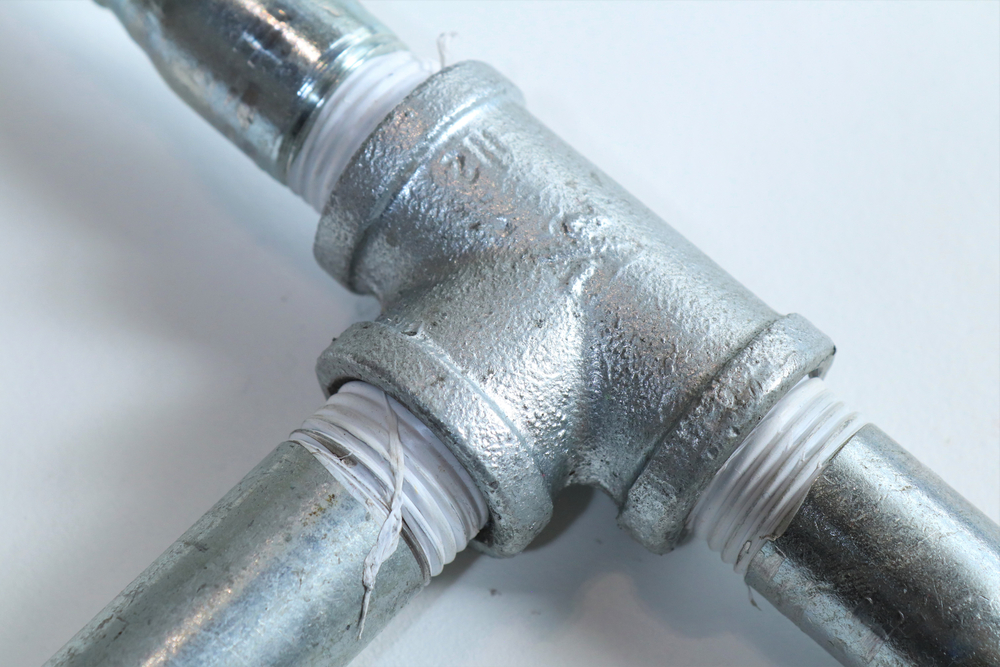
- Galvanized steel pipes, common in homes built before the 1960s, corrode from the inside and restrict water flow
- Polybutylene pipes, widely installed between 1978 and 1995, are prone to cracking and were the subject of class action settlements according to InterNACHI, the inspector trade association
- Lead service lines, which the EPA now requires many utilities to replace within a set timeline under the 2024 Lead and Copper Rule Improvements
- Old cast iron sewer lines, which corrode and collapse with age
Signs Your Pipes Are Starting to Fail
Some warning signs show up long before a full failure. Homeowners often notice:
- Discolored or metallic-tasting water
- Low water pressure across multiple fixtures
- Frequent leaks or repeated calls to fix the same section of pipe
- Visible corrosion, dimpling, or flaking on exposed pipes
- Damp spots, warped flooring, or a musty smell near walls and crawl spaces
Any of these can lower how a home shows during a sale, and buyers today are quick to ask about pipe age before making an offer.
Where to Start When You’re Ready to Upgrade
Not every home needs a full repipe right away. A plumber can prioritize based on what’s most likely to fail first and what buyers or insurers care about most. Supply lines feeding the kitchen and bathrooms usually come first, since these see daily use and sit closest to flooring and cabinetry. Sewer lines come next, especially in older homes with cast iron or clay pipe still in the ground. Water heaters and shutoff valves round out the list, since both are cheap to check and expensive to ignore.
How a New Plumbing Installation Pays You Back
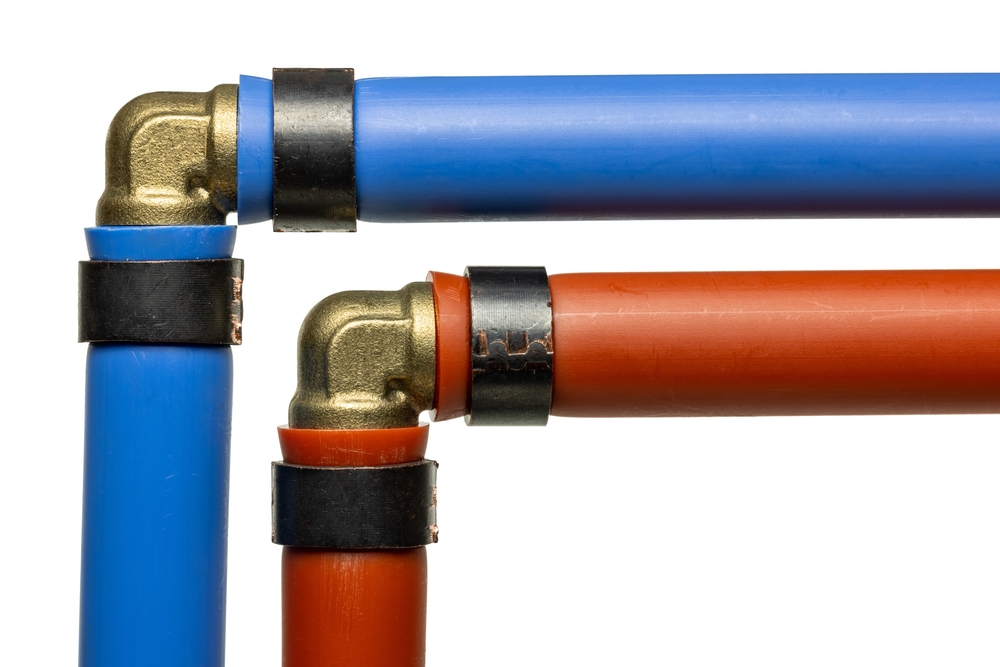
A full plumbing installation using modern PEX or copper piping gives a home a longer service life and a cleaner inspection report. It also tends to lower homeowners insurance premiums, since many carriers ask directly about pipe materials before writing a policy. Buyers searching listings increasingly look for updated plumbing as a selling point, right alongside kitchen and bathroom renovations.
Frequently Asked Questions About Plumbing Upgrades
How do I know if my pipes need replacing?
A licensed plumber can run a camera inspection and pressure test to check pipe condition without opening walls.
How long does a full repipe take?
Most homes are done within two to five days, depending on size and pipe material.
Does upgraded plumbing really raise my home’s value?
Yes. Updated plumbing removes a common inspection red flag and can support a higher asking price.
Can I upgrade just part of my plumbing instead of the whole house?
Yes. Many homeowners start with kitchen and bathroom supply lines, then handle sewer lines separately.
Give Your Home a Plumbing Advantage
Old pipes shouldn’t be the reason a sale stalls or an inspection report scares off a buyer. Our team offers fair, transparent pricing and skilled workmanship on every job, backed by fast scheduling and free estimates so you know your costs before work begins. We’re available 24 hours a day, seven days a week, because pipes don’t wait for business hours. First-time customers get 10% off, and we offer discounts for military members, senior citizens, and first responders.
Call Pure Flow Plumbing today to schedule your free estimate and find out what your home’s plumbing is really telling buyers.