Point-of-entry and point-of-use filters serve different purposes, work in different locations, and target different concerns. Installing the wrong type means spending money on a system that does not fully solve your problem. For anyone considering a water filtration system in Rock Hill, SC, that distinction matters.
Point-of-Entry Filtration: Coverage for the Whole House
A point-of-entry (POE) system is installed where your main water line enters the home. Every faucet, shower, appliance, and fixture gets filtered water. This is what people typically mean when they talk about a whole home water filtration system, and it makes sense for households dealing with hard water, sediment, chlorine, or well water contaminants throughout the house.
POE systems are well-suited for:
- Homes on well water with bacteria, iron, or sulfur concerns
- Households where skin irritation or dry hair is linked to water quality
- Properties with older pipes where sediment is a recurring issue
- Families who want consistent water quality at every outlet
The tradeoff is upfront installation cost and the need for periodic filter maintenance, though the long-term benefit of protected appliances and plumbing often justifies it.
Point-of-Use Filtration: Targeted Treatment Where It Counts
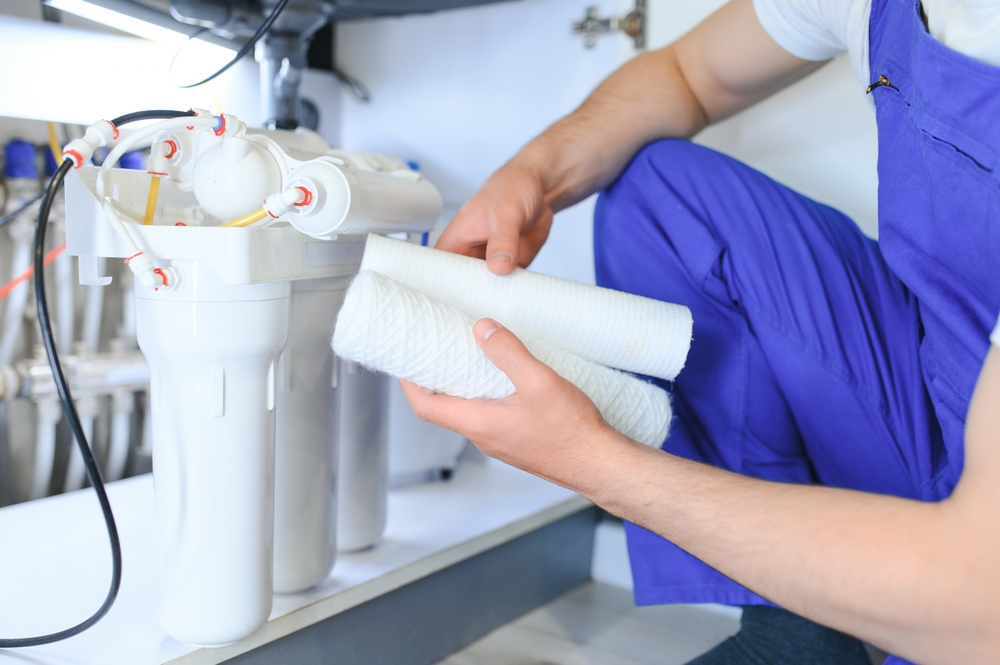
Point-of-use (POU) systems treat water at a single outlet, most commonly the kitchen sink or a dedicated drinking tap. Reverse osmosis units and under-sink filters fall into this category.
These systems are ideal when the concern is specifically about drinking or cooking water, not the whole house.
Our water filtration services include POU installations for homeowners who want high-quality drinking water without the scope of a full-home system. They are compact, efficient, and a solid fit for renters or households where the water quality concern is isolated.
How to Choose Between the Two
The right system depends on what problem you are solving. A simple test: if the issue only shows up when you drink or cook, a POU system likely covers it. If you notice scale buildup on faucets, shower doors, or inside your water heater, a whole-house approach addresses it at the source.
Getting your water tested first removes the guesswork. Many issues are invisible without testing, and the results point directly to the type and level of filtration your home actually needs.
Frequently Asked Questions About Water Filtration
Is one system safer than the other?
Neither is inherently safer. POE systems are better for removing contaminants that affect the whole house, like sediment or chlorine. POU systems, especially reverse osmosis, can remove a wider range of dissolved contaminants but only at that specific tap.
Can I have both?
Yes, and many homeowners do. A whole-home system handles sediment and hardness while an under-sink RO unit provides drinking-quality water at the kitchen.
How often do filters need replacing?
It varies by system and water quality, but most filters are replaced every 6 to 12 months. Your installer can give you a maintenance schedule based on your specific unit and local water conditions.
Better Water Is One Call Away
Pure Flow Plumbing offers free estimates, transparent pricing, and skilled technicians who show up on time. First-time customers save 10%, and we extend discounts to military members, seniors, and first responders. We are available around the clock, every day of the week. Call us and let us help you figure out exactly what your home needs.