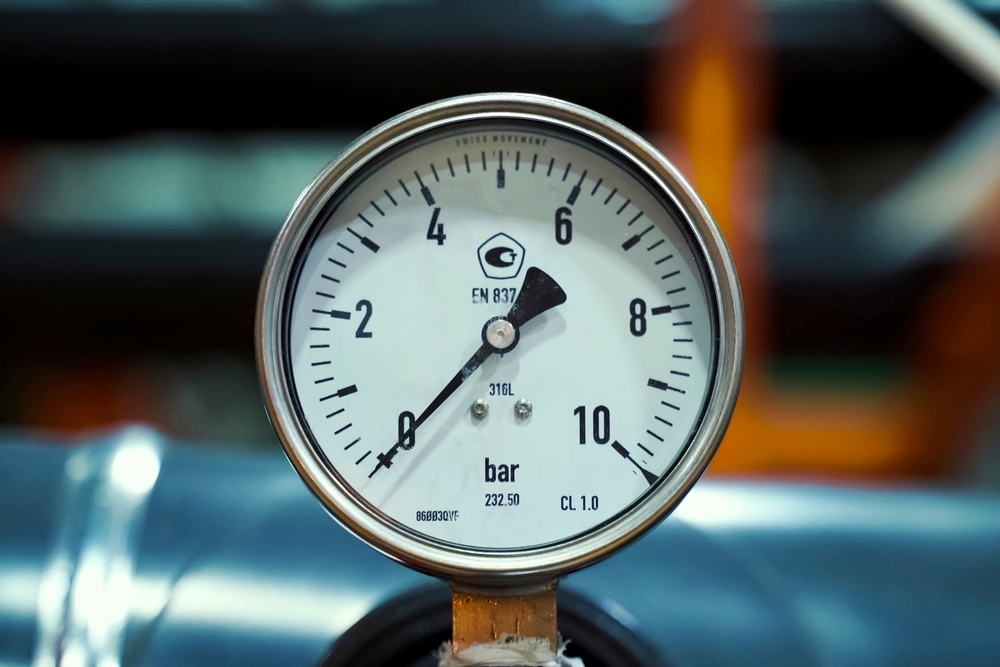
A standard garden hose runs at about 40 to 70 PSI. Your home’s water supply sits around 60 PSI. Now imagine hitting a clogged drain with 4,000 PSI. That’s not a metaphor. That’s hydro jetting, and it’s one of the most effective ways to clear a drain. If you’ve been dealing with slow drains or recurring clogs, this particular method of drain cleaning in York, SC is worth knowing more about.
Why Pressure Wins Where Chemicals Fall Short
Most off-the-shelf drain cleaners work on surface-level clogs, and even then, results are inconsistent. Grease, mineral scale, and compacted debris cling to pipe walls well past where any liquid product can reach. Chemical cleaners can also degrade older pipes with repeated use. High-pressure water doesn’t just punch a hole through the clog. It scrubs the pipe from the inside out, wall to wall, along the entire length of the line.
What’s Blocking Your Drains?
Most homeowners assume a clog is one thing in one spot. In practice, drain blockages tend to be layered. Some common causes include:
- Grease and fat accumulation from kitchen use
- Hair and soap scum buildup in bathroom lines
- Mineral deposits from hard water
- Tree root intrusion in outdoor or sewer lines
- Accumulating debris in older clay or cast iron pipes
Each of these responds differently to treatment, which is why a visual inspection usually comes before any work begins.
How Hydro Jetting Works
A trained plumber feeds a flexible hose into your drain line. At the end of that hose is a specialized nozzle that releases water in multiple directions simultaneously, forward and backward, at pressures between 1,500 and 4,000 PSI depending on pipe type and blockage severity. Hydro jetting is highly effective on grease-heavy commercial lines and residential pipes with years of accumulated buildup. The result is a pipe that’s clean, not just cleared.
Like any high-pressure application, results depend heavily on proper technique and equipment handling. Done incorrectly, excessive pressure can stress or crack pipe walls, which is why this isn’t a DIY job.
When Do You Need Hydro Jetting?
Recurring backups, slow drains across multiple fixtures, confirmed root intrusion, and years of grease accumulation in kitchen lines are all situations where high-pressure cleaning is the right call. Our drain cleaning services cover the full range from basic clearing to complete line flushing, and a camera inspection tells us exactly which approach fits your situation before any work begins.
Hydro Jetting FAQ
Is hydro jetting safe for older pipes?
It depends on pipe condition and material. A pre-inspection helps determine the right pressure level to avoid any stress on fragile lines.
How often should drain lines be cleaned?
For most households, every 18 to 24 months is reasonable. Homes with older plumbing or heavy kitchen use may benefit from annual service.
Will it fix a slow drain or just a full blockage?
Both. Slow drains often signal partial buildup that responds well to a thorough flush before it becomes a full stoppage.
Does drain cleaning prevent sewer backups?
Regular maintenance significantly lowers the risk, especially in lines with a history of root intrusion or grease accumulation.
Get the Job Done Right the First Time
Pure Flow Plumbing offers around-the-clock availability, fast response, and free estimates so you know exactly what you’re getting before any work begins. Our skilled technicians bring quality workmanship to every job at fair, transparent pricing. First-time customers save 10%, and we proudly offer discounts for military personnel, senior citizens, and first responders.
Call us today and let’s get your drains back to doing their job.