If your showers used to last 20 minutes and now you are lucky to get 10, your water heater might not necessarily be broken. When a tank water heater reaches its fifth or sixth year, this drop in performance is common. Many property owners assume the unit is simply getting old and needs immediate replacement, but that is rarely the whole story.
Around the five-year mark, internal changes inside the tank begin to catch up with the system. Mineral build-up, failing internal components, and hidden corrosion gradually steal heating capacity. Understanding what causes this sudden drop in hot water helps you take the right steps to restore performance before you end up buying an unnecessary replacement.
If you are noticing short showers at your property, calling a plumber in Clover, SC can help diagnose whether a simple flush, a replacement part, or a new installation is the right path forward.
The 5-Year Threshold: What Happens Inside Your Tank
Water heaters do not decline overnight. They operate silently under constant temperature changes and high pressure, which causes structural wear over time.
Sediment Accumulation: Insulates the burner or buries elements, trapping heat and delaying recovery times.
Broken Dip Tube: Dumps incoming cold water at the top of the tank instead of the bottom.
Depleted Anode Rod: Leaves the steel tank unprotected against aggressive internal corrosion.
Lower Element Failure: Leaves electric units operating on the top heating element only.
Mineral Sediment Layering
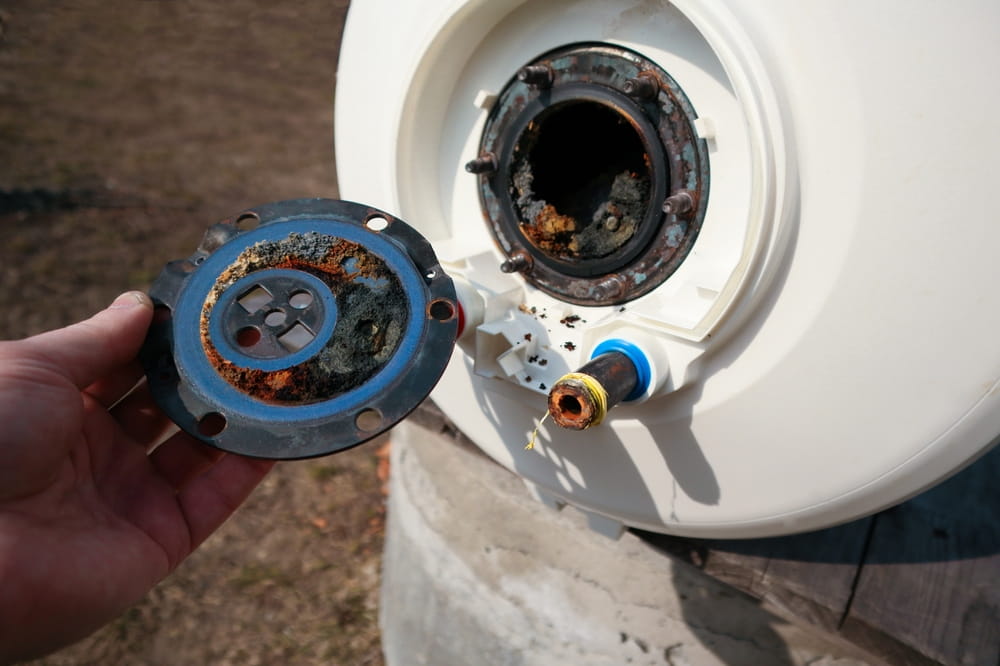
Water contains dissolved minerals like calcium and magnesium. Every time your water heater cycles on, these minerals separate from the water and settle at the bottom of the tank. By year five, this layer of sediment can be several inches thick.
Sediment acts like an insulating blanket between the heat source and the water. For gas units, the burner must heat through a thick layer of rock before reaching the water, causing long recovery times and distinct popping or rumbling noises. For electric units, sediment buries the lower heating element, causing it to overheat and fail prematurely.
Broken or Deteriorated Dip Tubes
The dip tube is a plastic pipe that directs incoming cold water straight to the bottom of the tank so the heating elements or gas burner can warm it up. As hot water rises to the top, it gets drawn into your home’s pipes.
Over five to ten years, exposure to hot, pressurized water causes plastic dip tubes to become brittle and break off. When this happens, cold water mixes directly with the hot water stored at the top of the tank. The water coming out of your shower head cools down almost instantly, even though the tank is full of hot water below.
Depleted Anode Rods
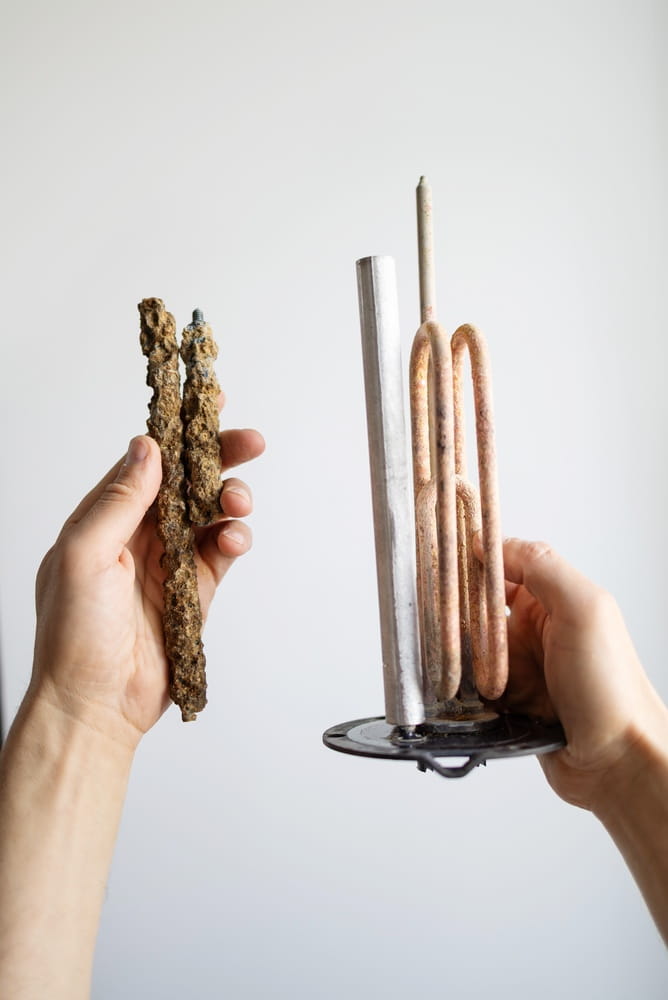
Inside every steel tank sits a sacrificial anode rod, usually made of aluminum or magnesium. Its sole job is to attract corrosive elements in the water so the steel tank walls do not rust.
Anode rods are designed to degrade. In areas with hard water, an anode rod often wears out completely around year five. Once the rod is consumed, corrosive elements begin attacking the tank walls and heating elements, accelerating internal wear and dropping overall system efficiency.
Gas vs. Electric: How Performance Drops on Different Systems
Gas and electric water heaters handle heating differently, meaning five-year performance drops show up in distinct ways for each type.
| Feature or Issue | Electric Water Heaters | Gas Water Heaters |
|---|---|---|
| Primary Failure Point | Lower heating element burnout under sediment | Heavy sediment insulation on tank bottom |
| Common Symptoms | Water heats up fast but runs out in minutes | Loud rumbling or popping noises, very slow recovery |
| Key Component | Dual upper and lower thermostats | Gas control valve, pilot light, thermal switch |
| Sediment Impact | Smothers lower element, causing quick burnout | Traps heat at bottom, overheating tank structure |
Electric Units: Lower Element Failure
Electric water heaters rely on two heating elements: an upper element and a lower element. The upper element heats the top portion of the tank first, so you have quick access to hot water. Once that section reaches temperature, power shifts to the lower element to heat the rest of the tank.
Because sediment settles at the bottom, the lower element gets buried first. When the lower element burns out, the unit continues operating using only the upper element. The top 20% to 30% of the tank stays hot, giving you initial hot water, but the tank runs cold almost immediately because the bottom 70% was never heated.
Gas Units: Insulated Burners and Thermal Stress
Gas units use a burner underneath the bottom of the tank. As sediment builds up on the tank floor, heat from the burner cannot transfer into the water efficiently.
Instead, heat builds up in the metal bottom of the tank, causing extreme thermal stress that can weaken the steel welds. The water takes two to three times longer to heat back up after someone takes a shower, leading to long wait times between household uses.
Local Water Considerations
Water characteristics vary depending on geography, municipal treatment methods, and local geology. In Clover, SC, and surrounding York County communities, water parameters directly impact how quickly water heaters age.
Surface Water Sources: Much of the municipal water supply in the area comes from sources such as Lake Wylie. While not as hard as well water from deep limestone aquifers, surface water still carries enough mineral content to build up noticeable sediment over five years of constant heating.
Well Water Conditions: Properties relying on private wells around rural York County often experience higher levels of iron, manganese, and hard minerals. Well water can exhaust an anode rod in three to four years and cause rapid element crusting on electric units.
Winter Intake Temperatures: During colder months, incoming groundwater temperatures drop significantly. An aging water heater with sediment build-up struggles much harder to raise incoming 45°F water up to 120°F than it does during summer months, making performance issues in five-year-old water heaters much more noticeable in winter.
Working with an established plumbing company ensures your equipment is serviced with local water quality and municipal plumbing codes in mind.
How to Restore Hot Water and Prevent Early Failure
Experiencing short showers after year five does not automatically mean you need a brand-new water heater. Targeted maintenance steps can clear out performance bottlenecks and restore hot water capacity.
- Flush and Descale the Tank: Removes settled mineral scale and restores heat transfer.
Attach a garden hose to the drain valve at the bottom of the tank, open the valve, and let the water discharge into a drain or outside area. Flushing clears out loose mineral sediment, allowing heat to transfer directly into the water again.
- Inspect and Replace the Anode Rod: Protects internal steel walls from fresh corrosion.
Unscrew the anode rod from the top of the tank using a socket wrench. If the rod is worn down to the bare core wire, install a new sacrificial rod to keep corrosion away from your tank structure.
- Test and Swap Out Heating Elements: Ensures both top and bottom sections heat properly.
Use a multimeter to check electrical continuity on both elements for electric water heaters. Replacing a burned-out lower element is an inexpensive fix that immediately restores full tank volume.
- Check and Replace the Dip Tube: Prevents cold water from short-circuiting the tank.
Disconnect the cold water inlet supply and inspect the dip tube. If it is cracked or disintegrated, removing the pieces and inserting a new dip tube forces cold water back to the bottom where it belongs.
Repair vs. Replace: Making the Right Call
When your water heater passes the five-year mark, you need to decide whether investing in repairs makes sense or if replacement is the smarter financial choice.
| Criteria | Repair the Unit | Replace the Unit |
|---|---|---|
| Age of Unit | Under 8 years old | 10 to 12+ years old |
| Tank Condition | Intact, zero active external leaks | Active leaks or severe internal tank rust |
| Symptoms | Discolored hot water, rumbling, failed element | Leaking base, recurring costly electrical failures |
| Financial Rule | Repair cost is less than 50% of new unit cost | Repair cost exceeds 50% of a replacement unit |
When to Repair
- The unit is under 8 years old: If the steel tank itself is intact and not leaking, replacing elements, dip tubes, or thermostats is cost-effective.
- Water is rusty only on hot settings: This usually indicates a failing anode rod rather than a destroyed tank wall. Replacing the rod resolves the issue.
- Popping noises just started: A thorough tank flush and descaling treatment can remove sediment before permanent tank damage occurs.
When to Replace
- Active tank leaks: Water pooling around the base of the tank from an internal crack cannot be welded or patched. Replacement is required.
- The unit is past 10–12 years old: The average lifespan of a standard tank water heater is 8 to 12 years. Major repairs on a 10-year-old unit rarely yield a good return on investment.
- Severe internal corrosion: If flushing the tank produces large flakes of rusted metal or dark yellow water consistently, the inner tank lining has failed.
Professional plumbing services can assess tank integrity, run pressure tests, and calculate whether repair or replacement offers better long-term value for your property.
Frequently Asked Questions
How often should a tank water heater be flushed?
Tank water heaters should be flushed at least once a year. Regular flushing prevents sediment from hardening at the bottom, protecting heating elements and maintaining energy efficiency.
Can a bad dip tube cause low water pressure?
A deteriorating dip tube usually causes hot water to run out quickly rather than dropping pressure. However, bits of broken plastic from a disintegrating dip tube can travel into your lines and clog aerators or shower heads, causing restricted flow.
Why does my water heater make a loud rumbling noise?
Rumbling or popping sounds occur when water gets trapped under a layer of mineral sediment at the bottom of the tank. As the water turns to steam, it bubbles up through the sediment layer, creating a popping sound.
Is it normal for a water heater to run out of hot water faster in the winter?
Yes. In winter, incoming groundwater is much colder, requiring the water heater to work harder and use more energy to reach set temperatures. This natural drop in incoming temp makes existing sediment or element issues much more noticeable.
Get Your Hot Water Back
When your water heater stops pulling its weight, you shouldn’t have to guess whether you need a quick repair or a full replacement. At Pure Flow Plumbing, our skilled technicians deliver quality workmanship, fast service, and clear answers so you never spend money on fixes you don’t need. We stand behind fair pricing with free estimates and no hidden fees, and because water heater emergencies don’t wait for business hours, we are available 24 hours a day, 7 days a week.
If you are a first-time customer, take advantage of our 10% discount. We also proudly offer dedicated savings for military members, senior citizens, and first responders. Call Pure Flow Plumbing for a service appointment.